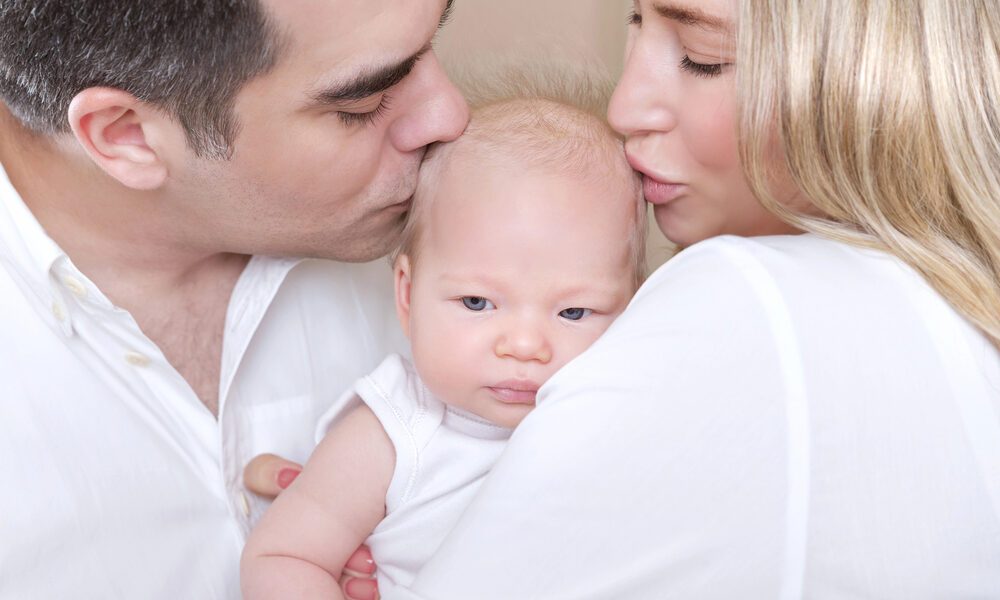
Becoming a parent is one of life’s great joys and the flip side is it can bring a surprising amount of parenting anxiety. Being a parent may bring up worries about whether you are doing things right or whether you are good enough. Having a child or children can also bring up anxiety about them: including their development, their behaviour and their safety. Some people find their own ways to manage their anxiety but there may come a time when parenting anxiety feels too overwhelming and starts to affect our daily life, or mental health, work or relationships. Here’s how to recognise parenting anxiety, learn coping strategies and what support is available.
What is parenting anxiety?
Parenting anxiety relates to worries or stresses directly related to being a parent so that might be to do with the responsibility of being a parent or caregiver or related directly to the child. It might show up as excessive worry over your child’s safety, illness, behaviour, or development. Or, maybe you have difficulty relaxing because your mind is overtaken by the possible “worst case” scenarios. Physical symptoms can include tension in your body, difficulty sleeping or a racing heart. You might feel guilt about failing or not being good enough. Parenting anxiety can also show up as over-monitoring your child or yourself, hypervigilance or avoiding doing things because they could go wrong.
It’s important to know that the anxiety of being a parent is normal and shows that we care about and love our children. Parental anxiety might show up for new parents or during big transitions for our children such as starting nursery or school, moving home or going to secondary school. However, parenting anxiety becomes problematic if it is constant, intense, is affecting your every day functioning or causing you to avoid doing things.
How common is parenting anxiety?
According to a recent survey by UNICEF UK, 63% of parents reported struggling with their mental health while being a parent. A report by the charity showed worries included worries included their children’s future and financial strain over the cost-of-living and price of childcare.
According to the NSPCC, 75% of parents of children under five said they are anxious about their child’s emotional or mental wellbeing.
Triggers and risk factors of parenting anxiety
These factors can increase the risk of parenting anxiety:
Parental wellbeing: fatigue, irritability, low mood
Parent-child relationship: being overprotective, emotionally distant, or exhausted
Family life: strain on partner relationships; juggling work, childcare, home responsibilities becomes harder
Physical health: sleep disruption, tension, maybe unmanaged stress leading to bigger health issues
Coping strategies and self care
Support is available for parents whose lives are impacted by anxiety.
Recognise & label the worries
Write down what you are worrying about, how likely it is, what’s in your control vs not. Sometimes just naming things reduces their power.
Set realistic expectations
Parenting does not come with a manual. Try to focus on “good enough” rather than perfect. Mistakes are part of learning.
Self-care
Even small things help:
- Try to rest when you can, sleep when baby sleeps
- Eat well, get some fresh air or gentle exercise
- Use relaxation techniques (breathing exercises, mindfulness)
Talk about it
Sharing your worries with partner, friend, parent, or in a support group can lighten the emotional load. Especially helpful is talking to someone who’s been through something similar.
Mind your thoughts
Avoid catastrophising (“if this happens then everything is ruined”). Challenge negative thoughts by asking: “What evidence do I have?” “What’s most likely, not worst-case?”
Limit comparison & exposure
Social media often shows idealised parent lives. Keep perspective: what you see isn’t the whole picture.
Professional support when needed
If worries are constant, your mood is suffering, or anxiety is interfering with daily living, consider counselling, therapy, or speaking to your GP or health visitor.
Parenting anxiety support in Jersey
There is local support available in Jersey
Perinatal Peer Support Service (Mind Jersey)
This service matches expectant or new parents with volunteers who’ve had similar experiences, to offer peer support and reassurance.
Parent Infant Psychotherapy (PIP) Service
For parents (including expecting) with babies up to age 5, especially where there are struggles relating to bonding, feeding, sleeping, or difficulty in relating to the child. Helps with parent-child interaction and emotional regulation.
https://www.gov.je/Health/Mental/pages/parentinfantpsychotherapyservice.aspx
Jersey Talking Therapies (JTT)
A free, confidential therapy service for adults 18+, including those with anxiety, worry, stress, or panic. Evidence-based therapies like CBT, etc.
Child and Adolescent Mental Health Services (CAMHS Jersey)
For children and young people up to 18, and their families; support for emotional difficulties, anxiety, behavioural issues, etc. Parents/carers can access support through the Children & Families Hub.
https://www.gov.je/Health/Mental/ChildAndAdolescentMentalHealthService/pages/home.aspx
Local charities like Brighter Futures
They run programmes that build parental resilience, address wellbeing, support parent-child relationships.
https://www.brighterfutures.org.je
Maternity Voices Partnership Jersey
Offers mental health resources and signposting for pregnancy and postnatal period; midwives, health visitors, GPs are often first points of contact.
When to Seek More Help
You might consider seeking more formal help if:
Anxiety is ongoing for weeks/months and getting worse rather than better
You find it hard to enjoy things anymore, or feel hopeless
Worry interferes with daily tasks (sleep, eating, work, caring for child)
You’re experiencing panic, or symptoms like chest tightness, or intrusive thoughts you can’t dismiss
Any thoughts of harming yourself or your child, or thoughts of not wanting to live. Samaritans Jersey: https://www.samaritans.org/branches/jerse
In these cases, reach out to your GP, a health visitor, or directly to services like JTT or CAMHS in Jersey.
If you need to talk to someone, or feel suicidal, contact The Samaritans on 116 123.
Other mental health charities:
Remember you are not alone, support is available.
Mind Jersey: https://www.mindjersey.org/
My Voice Jersey: https://myvoice.org.je/about-us/
Focus On Mental Illness Jersey: https://www.focusmi.org/about-us