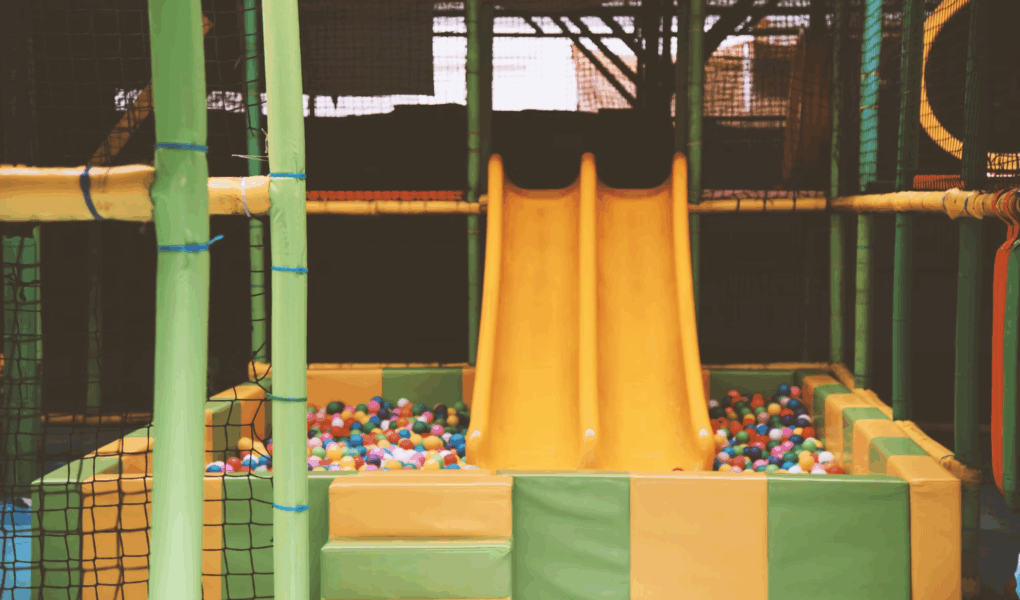
Looking for an entertaining method to improve your child’s developmental abilities?
While indoor soft play areas help kids burn off energy during rainy days they also provide much more. Colorful cushioned play areas serve as powerful developmental spaces where kids learn essential skills during their most joyful playtime.
The UK continues to deepen its connection with indoor soft play venues annually as they prove their value. The specially engineered spaces provide children of every age group with the right combination of security and enjoyment while promoting critical developmental skills.
I will demonstrate how these enchanting play areas are secretly providing powerful developmental advantages to your child that you may not have noticed!
Inside Your Guide:
- Why Indoor Soft Play Is Booming in the UK
- Physical Development Benefits
- Social Skills That Flourish in Play Zones
- Cognitive Development Through Play
- Emotional Growth in Safe Spaces
- How to Maximize Development Benefits
Why Indoor Soft Play Is Booming in the UK
The statistics clearly show that indoor play has become a major commercial force in the UK and continues to expand.
In 2021 the UK family entertainment center market reached $857.64 million and experts expect it to reach $2.72 billion by 2031 with sustained growth at a CAGR of 12.6% from 2022 to 2031 as reported by recent market analysis.
What’s driving this massive growth? Parents are realizing that these venues provide benefits beyond mere entertainment options. These venues function as structured settings which enable children to develop important skills while they enjoy themselves. The indoor entertainment sector in the UK saw children’s entertainment centers with the largest market share during 2021.
Parent-child users regularly attend indoor parks with more than half (53.5%) visiting 1-2 times monthly and 35.7% of accompanying adults also being frequent visitors. Continuous participation demonstrates how indoor play serves an essential function in children’s social connections and physical exercises.
Physical Development Benefits
Soft play areas inside buildings function as essential physical development centers while appearing as enjoyable recreational spaces.
Gross Motor Skills
As your child ascends the padded ladder and descends the spiral slide or maneuvers through the obstacle course they develop essential physical abilities.
- Building core strength and stability
- Developing coordination between different body parts
- Improving balance and spatial awareness
- Developing power in the arms and legs through strengthening of large muscle groups
Fine Motor Skills
Indoor play areas provide activities specifically designed to foster essential fine motor skills development through multiple interactive features.
- Manipulating small balls in ball pits
- Navigating interactive wall panels
- Handling small play objects in dedicated zones
- Children manipulate basic devices and equipment as part of their play activities in the play area.
Indoor soft play areas offer physical development chances in a secure padded space that lets children explore their limits without the dangers found on harder surfaces.
Social Skills That Flourish in Play Zones
Have you observed how children who don’t know each other begin to play together immediately at an indoor play center? These environments naturally form a social laboratory where children learn to interact.
Turn-Taking and Sharing
Indoor play structures require children to develop social skills through shared play experiences.
- Wait their turn for popular equipment
- Share space with others
- Negotiate who goes first or last
- Understand fair play concepts
The learning potential in these moments extends beyond their size because they foster patience and respect among children for each other.
Communication Skills
Take note of this phrase when visiting an indoor play center: “Can I go next?” “Let’s pretend this is our spaceship!” I’ll take the upper route while you proceed in the opposite direction.
Children express their thoughts and limits through continuous communication. Nonverbal toddlers effectively communicate their needs and desires by using gestures and body movements as well as making sounds during social activities.
Teamwork and Cooperation
Many play structures encourage collaborative play:
- Multi-person seesaws require coordination
- Role-play areas enable children to take on various roles in their play activities.
- Participants often need to assist each other when progressing through obstacle courses.
Through their play experiences children learn to enjoy teamwork because it brings fun and rewarding results.
Cognitive Development Through Play
Though it appears to be nothing more than entertainment, children develop their brains through active exploration of indoor play spaces.
Problem-Solving Skills
Children face physical challenges when they interact with indoor play structures.
- What is the best way to move between these two platforms?
- What’s the fastest way through this maze?
- What methods can I use to construct stable structures with these soft blocks?
The challenges presented in play activities stimulate children to think critically and understand spatial relationships when they try various solutions.
Creativity and Imagination
The limitless quality of play stimulates creative thinking.
- A climbing frame transforms into a mountain that children strive to reach.
- Kids can turn a ball pit into an ocean where they swim.
- The padded tunnel functions as a mysterious path leading to another realm.
Imaginative play serves as a fundamental tool for building creative thinking abilities.
Emotional Growth in Safe Spaces
Indoor soft play areas create excellent conditions for emotional growth by providing challenges which expand boundaries together with safety that fosters confidence.
Confidence Building
Successfully overcoming an intimidating play structure leads to increased self-confidence. Through persistent efforts children discover they can surmount difficulties.
Most play areas allow children to:
- Start with easier elements
- Build skills and confidence gradually
- As children grow they should aim to tackle more difficult parts of the play structure.
Risk Assessment
Padded play environments teach children to evaluate risks.
- Is this jump too far for me?
- Can I reach that handhold with my current height?
- Do I have the courage to slide down headfirst or will it frighten me too much?
Through these risk assessments children learn to evaluate their personal abilities which is a fundamental skill needed for life.
Emotional Regulation
Indoor play offers a range of emotional experiences that can shift from exciting to frightening to joyful within only a few minutes. By learning how to handle these emotions children build their ability to regulate emotions.
- Managing disappointment when waiting for a turn
- Working through fear to try something new
- Expressing joy and achievement appropriately
How to Maximize Development Benefits
Follow these guidelines to maximize developmental benefits during your visits.
Allow Independent Exploration
Though following your child constantly feels natural it’s best to let them explore independently while maintaining safe supervision for optimal learning experiences.
Try to:
- Resist solving problems for them
- Create opportunities for your child to play with their peers.
- Let them pick the equipment they want to experiment with.
Ask Open-Ended Questions
During your interactions, ask questions that stimulate thought.
- What was the strategy you used to climb up to that spot?
- What outcome do you expect if you experiment with that approach?
Regular Visits
The compound annual growth rate (CAGR) for the UK indoor amusement center market is expected to reach 9.6% between 2025 and 2030. Frequent visits to play areas help children develop their skills by building upon their past experiences.
Let’s Sum It Up
Indoor soft play areas offer more than entertainment because they serve as powerful developmental tools under the guise of fun. Children gain significant advantages in physical skills and social abilities together with cognitive growth and emotional regulation when they play in these vibrant play areas.
The impressive growth of the UK’s indoor play industry – projected to reach $2.72 billion by 2031 – reflects what parents have discovered through experience: These environments deliver outstanding developmental benefits for children.
When your child enjoys themselves bouncing and climbing at an indoor play center, keep in mind that their playtime encompasses essential developmental activities beneath the surface. Children develop essential life skills through play as they build physical capabilities alongside social and cognitive and emotional abilities.
And the best part? Children enjoy themselves immensely during this deve